Key Factors Driving Luxury Home Valuations in Palo Alto & Cupertino
By Hong Thi Kim Nguyen, DRE #02092358 • Century Financial Group, Corp.
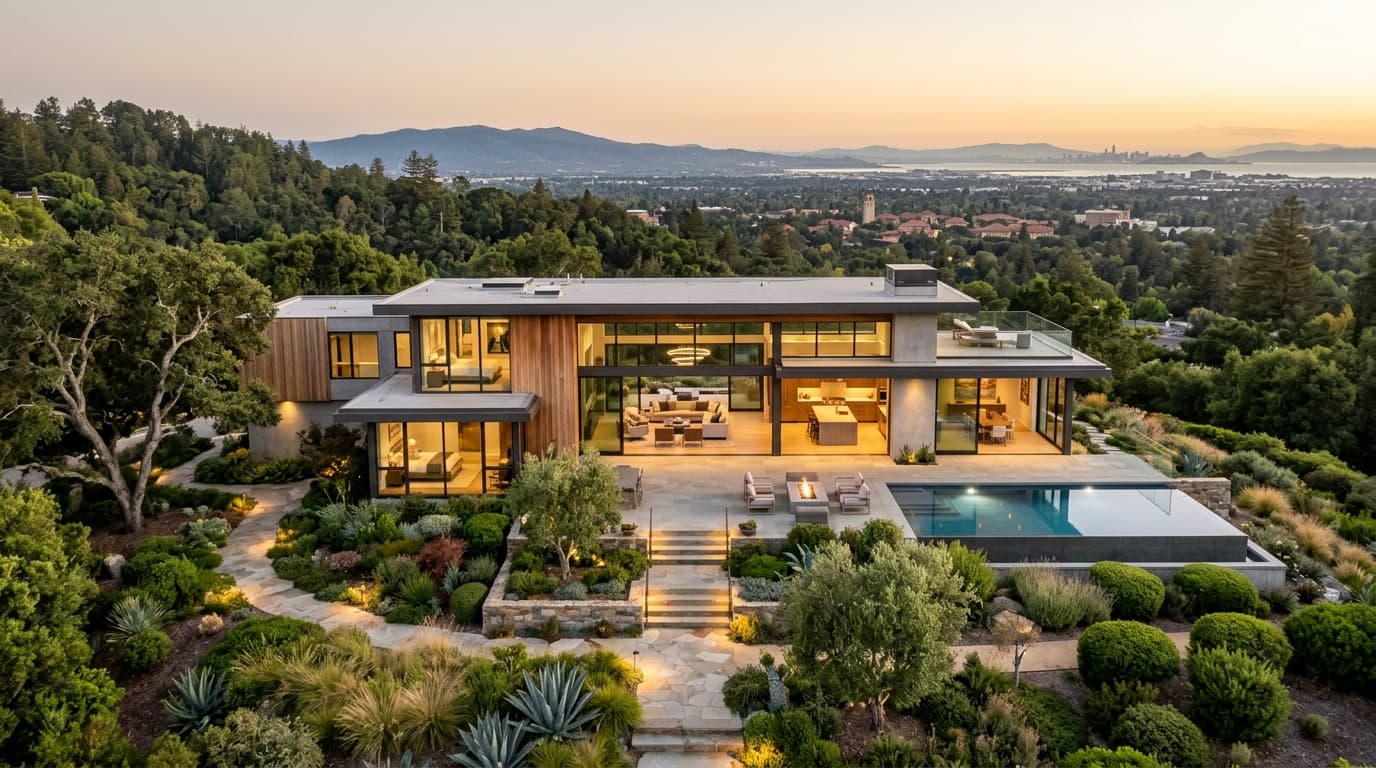
Architectural provenance, land parcel size, custom finishes and private sanctuary amenities: what shapes luxury home value in Palo Alto and Cupertino.
Value is built from many layers
Valuing a luxury home is a different exercise from valuing a typical house. Comparable sales may be scarce, each property has distinctive features and buyers weigh intangible qualities. In Palo Alto and Cupertino, where land is scarce and architecture varies widely, understanding the drivers of value helps both sellers and buyers make informed decisions. Here are the factors that matter most.
Location and micro-location
Location is the starting point, but in luxury markets it means more than the city name. Street, proximity to employers, transportation, parks and amenities, privacy and surroundings all influence value. Two homes a few blocks apart can be valued differently based on lot orientation, traffic patterns and the character of the immediate area.
Land and lot characteristics
In many established areas, land is a significant share of total value. Lot size, shape, topography, orientation and usable outdoor space matter. Buyers may also consider development potential, subject to local zoning, setbacks, height limits and permitting rules. Always verify what can legally be built or changed through the city rather than assuming.
Architecture and design pedigree
A home designed by a recognized architect, or built in a distinctive style, can attract buyers who value design. Examples include well-preserved mid-century modern homes, classic revival estates and contemporary custom builds. Provenance, documentation and the quality of preservation or renovation can add appeal, though preferences vary. Historic designations can also bring both prestige and restrictions, so understand the implications.
Quality of construction and finishes
Materials, craftsmanship and attention to detail matter at this level. Buyers look at windows, millwork, flooring, kitchens, bathrooms, mechanical systems and the overall quality of construction. Custom features that are well integrated tend to be appreciated more than those that feel dated or overly personalized. Condition is key, because deferred maintenance can reduce value and complicate negotiations.
Layout, scale and livability
Thoughtful layouts matter. Buyers consider flow, natural light, ceiling heights, indoor-outdoor connection, and flexible spaces for work, wellness, entertaining and guests. Oversized or poorly organized homes can sometimes struggle to attract buyers, so efficient use of space is as important as total square footage.
Private sanctuary amenities
Outdoor living areas, pools, gardens, outdoor kitchens, sport courts, guest houses, wine storage, home theaters and wellness spaces can enhance the experience of a property. They do not all add value dollar for dollar, though, and tastes differ. Buyers may also consider maintenance costs, so highlight amenities that are well designed and easy to enjoy.
Sustainability and technology
Solar systems, battery storage, energy-efficient windows, EV charging and integrated home technology are increasingly part of buyer expectations. Documentation of upgrades and system ages can help buyers evaluate them.
Market conditions and competition
Even a distinctive home is valued within a market context. Current inventory, buyer demand, interest rates and recent sales influence what buyers are willing to pay. A home that would have commanded a premium in one environment may need adjustment in another.
Appraisal and valuation methods
Appraisers typically use comparable sales, adjusting for differences such as size, condition, lot and features. In luxury markets, adjustments can be significant and subjective, so valuations may vary. A thorough comparative market analysis can complement an appraisal by considering competing listings, buyer behavior and marketing strategy.
What this means for you
Sellers can improve outcomes by presenting the home's strengths, addressing condition issues and pricing with a realistic view of comparables. Buyers can protect themselves by commissioning inspections, reviewing permits and understanding what they are paying for.
If you are curious about the value of your Palo Alto or Cupertino property, request an in-person comparative market analysis. I will walk through the home, review the comparables and offer an honest, detailed assessment.
Hong Thi Kim Nguyen | CA DRE #02179975 | NMLS #1910694 | Century 21 Real Estate Alliance | Global Estate Hub LLC. This article is for general education and is not legal, tax, or financial advice. Please consult qualified professionals about your situation.
- #luxury home valuation
- #Palo Alto
- #Cupertino
- #land value
- #architecture
- #home appraisal
Educational content only. Discuss property-specific guidance with a licensed professional, or see how Hong can help.
Request In-Person CMA