Short-Term Rental Investment & Airbnb ROI Analysis in the Bay Area
By Hong Thi Kim Nguyen, DRE #02092358 • Century Financial Group, Corp.
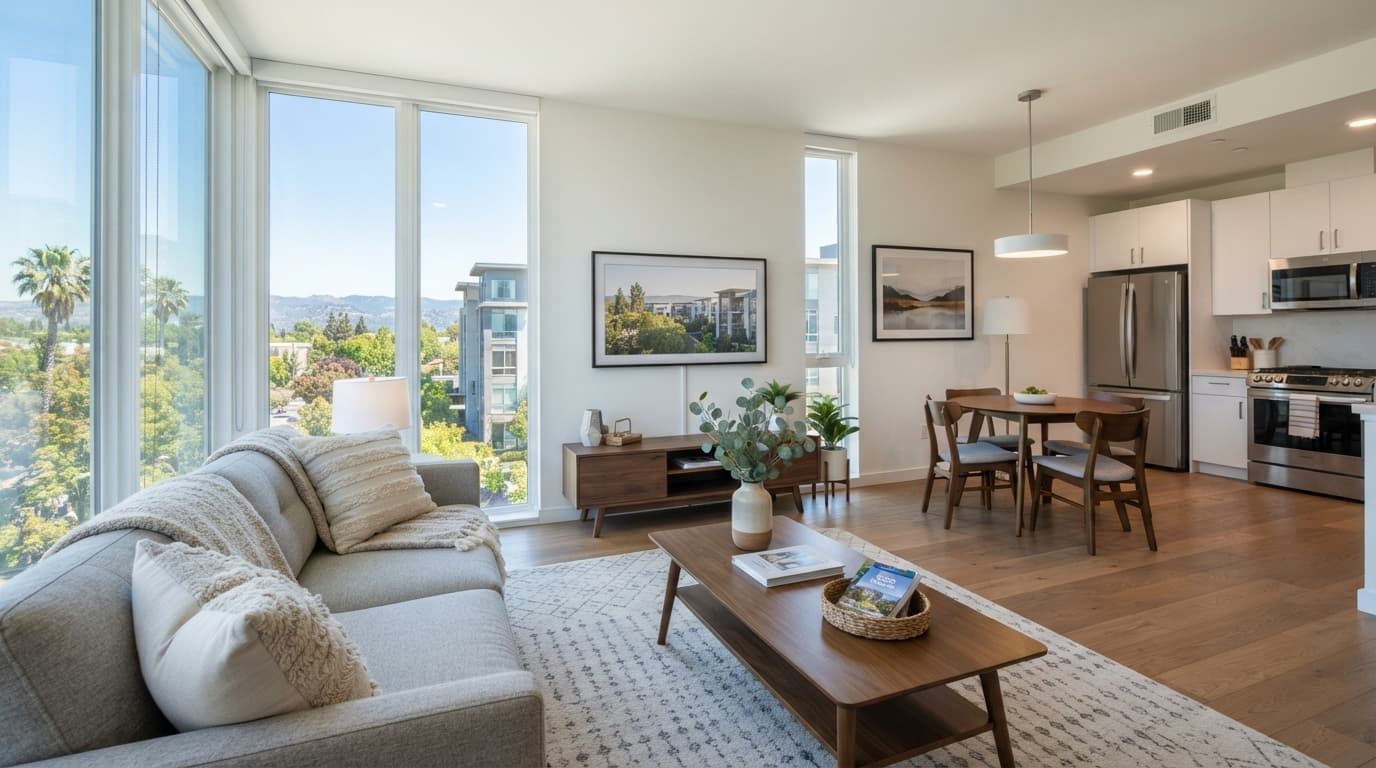
Municipal zoning rules, transient occupancy taxes, occupancy projections and cap rate comparisons: how to evaluate a short-term rental investment in the Bay Area.
An attractive idea with real rules
Short-term rentals, such as Airbnb and similar platforms, can generate higher revenue per night than traditional leases, and many investors and house hackers are drawn to that potential. In the Bay Area, however, success depends on regulations, costs and demand, and the numbers can look very different once you account for everything. Here is a framework for evaluating a short-term rental before you buy.
Start with the rules
Short-term rental regulation is set locally, and it varies significantly from city to city. Many Bay Area jurisdictions restrict short-term rentals to a host's primary residence, limit the number of nights, require permits or registration, or prohibit them in certain zones or buildings. Some HOAs and condominium associations ban them as well, and lenders and insurers may impose conditions. Confirm the rules with the city and any HOA before you make an offer, since a property that cannot legally operate as a short-term rental may not meet your investment goals. Penalties for noncompliance can be significant.
Taxes and fees
Short-term stays are usually subject to a transient occupancy tax, which is collected from guests and remitted to the city, and platforms may collect and remit it on your behalf in some places. You may also owe business license fees, sales or income taxes, and platform service fees. Consult a tax professional about how rental income is treated, since rules about passive activity, deductions and depreciation vary with your circumstances.
Estimate revenue realistically
Projected income depends on nightly rates, occupancy and seasonality. Do not rely on a best-month figure. Instead, review comparable listings in the area, consider seasonal demand, events, business travel and the property's amenities, and build a conservative estimate. Include cleaning fees, but remember that they typically offset cleaning costs rather than add profit.
Account for the full cost of operating
Short-term rentals have higher operating costs than long-term leases. Include:
- Furnishing and setup. Furniture, linens, kitchenware, décor and equipment.
- Utilities and internet. You usually pay these, rather than the tenant.
- Cleaning and turnover. Cost per stay, plus supplies.
- Management. Co-hosts or management companies often charge a percentage of revenue.
- Platform and payment fees.
- Maintenance and wear. Frequent turnover leads to more repairs and replacements.
- Insurance. Standard homeowners policies may not cover commercial rental activity, so obtain proper coverage.
- Vacancy. Even popular rentals have slow periods.
Compare cap rates and cash flow
Calculate net operating income by subtracting operating expenses from revenue, then divide by the purchase price to get the capitalization rate. Compare that figure with the same calculation for a long-term rental of the same property. Then add financing to estimate cash-on-cash return. In expensive Bay Area markets, cap rates tend to be modest, so think carefully about whether the extra effort and risk of short-term rental justify the potential increase.
Consider the risks
Regulatory change is a major risk, since cities can tighten rules. Demand can shift with the economy, business travel and competition. Reputation and reviews influence bookings, and guest issues can be time-consuming. Have a plan for what happens if short-term rental becomes unavailable, such as converting to a mid-term or long-term lease.
Alternative strategies
Some owners rent rooms in their primary residence, or rent an accessory dwelling unit, subject to local rules. Others use furnished mid-term rentals for traveling professionals, which we will explore in the next article.
Do your due diligence
Before buying, review local ordinances, speak with property managers, check insurance options and run multiple scenarios. If the investment only works under optimistic assumptions, it may be too risky.
Get an objective analysis
If you are considering a rental property, request an investment property analysis. I will review the property, the local rules and the financial scenarios, and give you an honest view of how it could fit your goals.
Hong Thi Kim Nguyen | CA DRE #02179975 | NMLS #1910694 | Century 21 Real Estate Alliance | Global Estate Hub LLC. This article is for general education and is not legal, tax, or financial advice. Please consult qualified professionals about your situation.
- #short-term rental
- #Airbnb
- #vacation rental ROI
- #transient occupancy tax
- #rental zoning
- #Bay Area
Educational content only. Discuss property-specific guidance with a licensed professional, or see how Hong can help.
Request Investment Property Analysis